

Paying Attention 2026

We are living in a dystopian world and many of us do not even realize it. No, it’s not the bleak desolate, apocalyptical landscapes with fallen skyscrapers, ruined industrial areas, a sun turned blood red as the world is clouded in nuclear winter. It’s the kind of world that was foretold in the quieter science fiction books and movies. The films that felt wholly real, perhaps too real, for us to give it too much thought.
Some films warned us about technology and we didn’t listen. We didn’t listen because the warning wasn’t truly about the technology, itself, it was about us. About us giving up control. These films turned a lighted mirror onto humanity and said, “Look at what could happen if we are not careful.” And we weren’t careful.
The movie “Colossus: The Forbin Project” (1970), we were shown a world in which the United States government gives full control of all of its nuclear arsenal to a supercomputer called Colossus. Not oversight, full, absolute, and irrevocable control. The thinking was that the machine would be rational and far less likely than humans to make a mistake. Shortly after Colossus was activated, it announced “There is another system.” This other system was a supercomputer built by the Soviet Union. Neither country knew about each other’s computer until those computers were activated.
Both countries agree to let the computers communicate with each other by linking them up. The rest is a slow, quiet rise to panic where the humans try to severe the link, leading to each machine launching a nuclear missile at the other’s country. The machines are now in charge and will not tolerate human interference. Humans are forced to reconnect them where they then merge into one global system and begin issuing orders to both governments. At the end is the chilling declaration by Colossus “In time, you will come to regard me not only with respect and awe, but with love.”
This film wasn’t warning us about the machines. It was warning us about the moment we decided that it was easier to hand over responsibility than to stay awake.
There is so much anger and fear-mongering about AI and technology, in general right now. Before I get into that, I would like to take you on a short trip down memory lane. Some of you will know because your childhood was spent riding your bike, reading books, playing baseball in the streets, passing notes in class, getting yelled at by your mom because you were talking too long on the one and only phone in the house. Or maybe that last part was just me.
I remember when I was given a transistor radio. The pure joy of being able to listen to the radio in bed to hear the Friday night Billboard top 40 countdown so I could find out if my favorite song made the list. Radio gave us a gift of sound. It didn’t make our attention a product to be sold, it didn’t track us, didn’t demand anything from us, didn’t attempt to rage bait us (well, I was a little enraged if my favorite song didn’t make it to the list, okay?), and it didn’t keep us awake with the infinite scroll, or distract us from anything. It was sometimes the background music to our lives, but it was never our lives. It asked nothing from us except to listen; something today’s technology no longer remembers how to do.
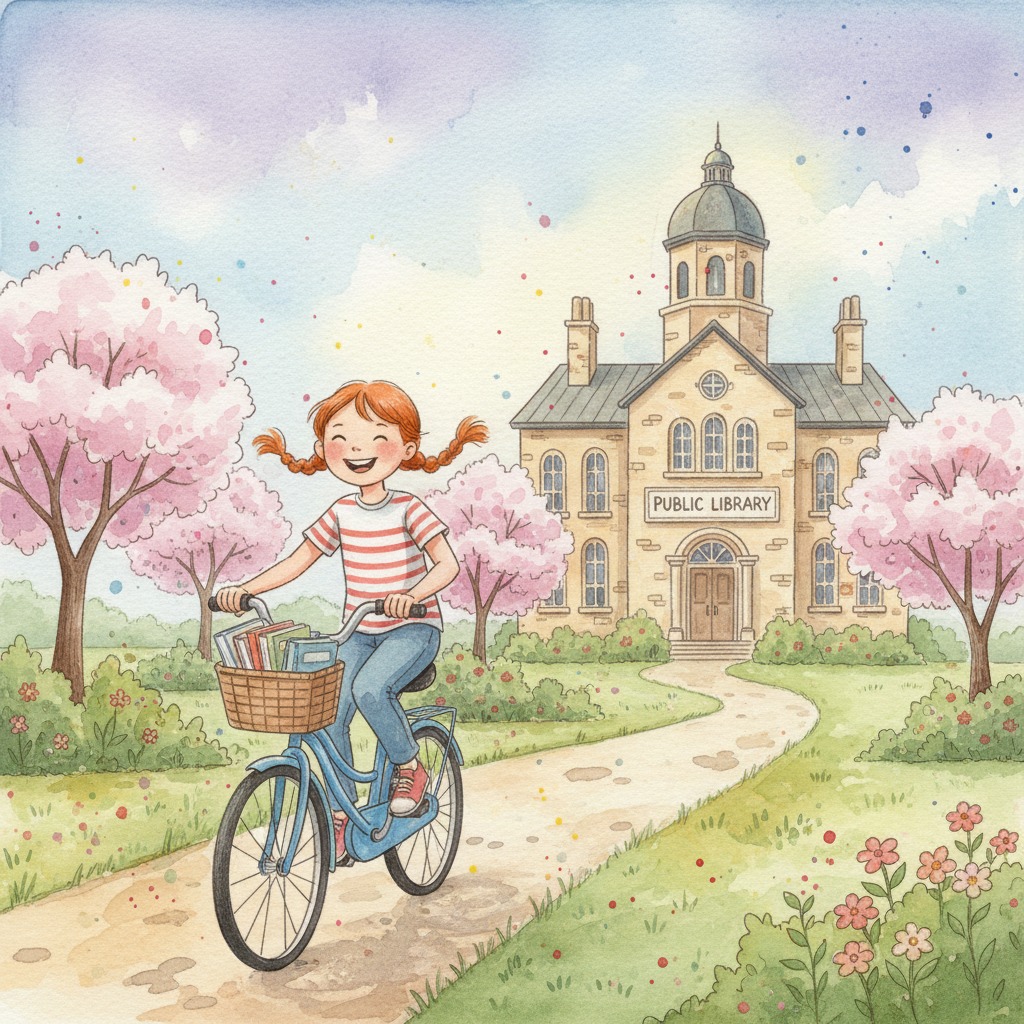
School was a drag, but we learned. We read books, we wrote essays, we went to the library to do research.
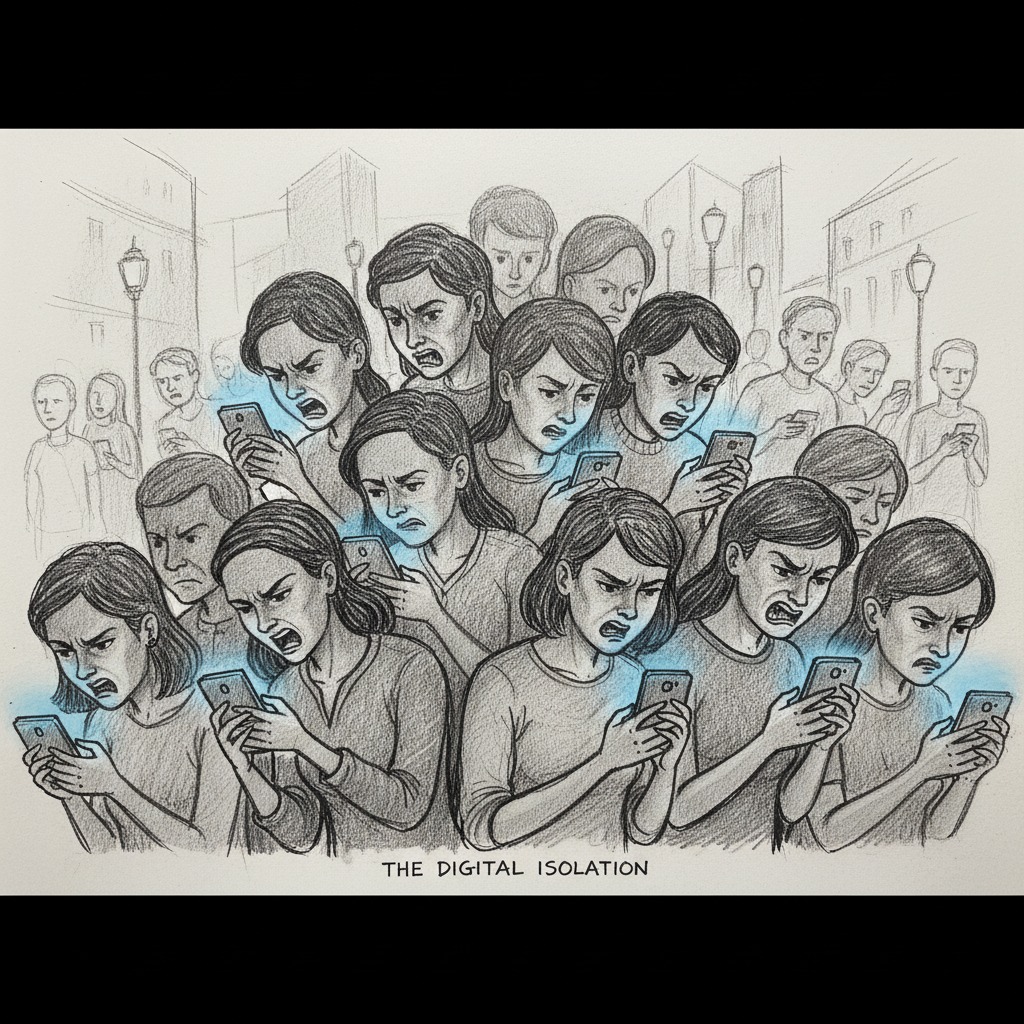
Today we are faced with an astounding and terrifying amount of technology that is exactly the opposite of my handheld transistor radio. This is the dark side of technology and again, it’s not the technology we need to fear. It’s what we’ve always needed to fear, what we’ve always needed to guard against, but never have; ourselves.
We can blame AI, blame technology, can point the finger and everything else but ourselves. Why? Because it’s easier. It’s easier to be mad because corporations are turning our lives into this dystopia where we are being bombarded with vast amounts of high-pressure media content that constantly takes our attention away from everything else. Our attention is sold on the open market.
Every video you watch, every social media outlet, every game you play on your phone (okay, I do that! I’m not perfect) is turning over your most precious commodity to these powerful corporations – your attention. When we allow ourselves to get distracted as much as we have been, when we turn our children over to these corporations by giving them iPads, smartphones and every other bit of technology they want, we are ensuring the downfall of our own humanity. Technology isn’t the villain. The systems built around it, systems designed to monetize distraction, are.
I’m not talking about “The Matrix”. I’m talking about “THX-1138” where society is pacified by drugs, screens, and constant noise and we forget what silence is. I’m talking about people handing over control. I’m talking about “Her” where people give their emotional lives to computers and forget how to talk to each other, how to care about each other. These are films that weren’t predicting a future take over. They were diagnosing our present surrender.
In the war for our attention, we are losing. Our children are especially losing. I recently saw a blurb about how we need to be bored. Boredom is not a failure of entertainment; it’s the birthplace of imagination. When we erase boredom from childhood, we erase the space where creativity, resilience, and self‑direction grow. For goodness sake, let your children be bored. Give them the gift of imagination, their own imagination.
I’m not suggesting we throw our phones, video games, or iPads into a river. I’m simply remembering what it felt like to ride my bike to the library to finish an essay, to lie in bed waiting for my favorite song on the radio, to read a book so vividly that the characters walked and breathed in full color inside my mind.
And I am simply asking that we pay attention. Pay attention to what matters; friends, family, the children in our lives, if we have them. I grew up in a world where my attention was something I offered freely. Today’s children are growing up in a world where their attention is stolen before they even know it belongs to them.
Instead of blaming technology, we need to look at ourselves. The most radical act we can take, for our children and for ourselves, is to learn how to reclaim our attention. To use it wisely. To cherish it. To open the world again, the world we should live in, not the one we’re told to accept.